
If you’re into outdoor adventures and snapping wildlife, you probably already know how crucial it is to protect nature while chasing that perfect shot. The best way to photograph wildlife outdoors without disturbing habitats? Stay quiet, keep your distance, and fight the temptation to move things around for a better angle. This way, you get to witness those amazing animal moments without stressing them out or messing up their space.
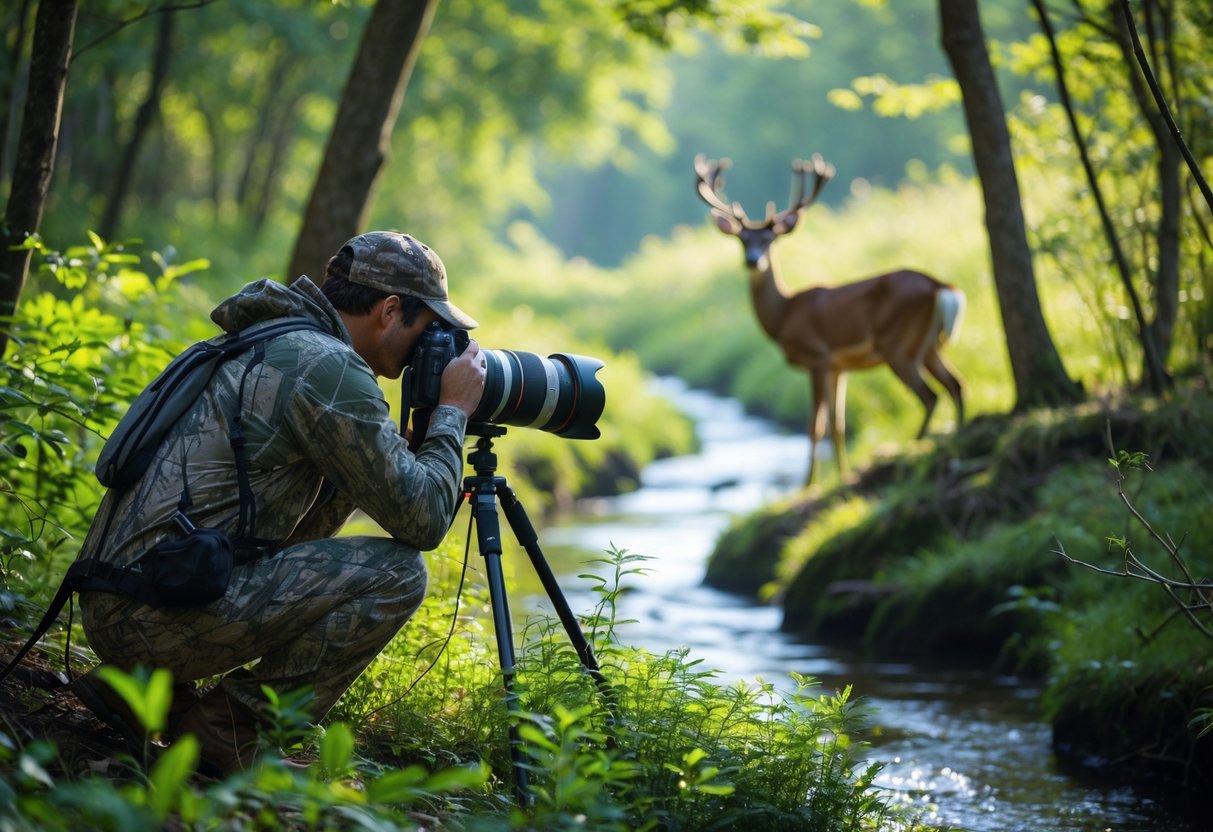
Simple stuff like turning off your flash, using a longer lens, and sticking to the trails goes a long way toward leaving wildlife and their homes undisturbed. Honestly, patience is everything—sometimes, the best photos happen when you just sit still and let nature do its thing. If you want more hands-on advice, check out this guide on minimizing disturbance while photographing wildlife.
When we make ethical choices with our photography, we help ensure that both animals and habitats remain safe for others to enjoy. Our actions can inspire other outdoor enthusiasts to respect wildlife, too.
Key Takeaways
- Respect animals and their environments by keeping a safe, quiet distance.
- Use ethical gear choices and avoid altering natural settings.
- Promote responsible wildlife photography within the community.
Understanding Wildlife Behavior
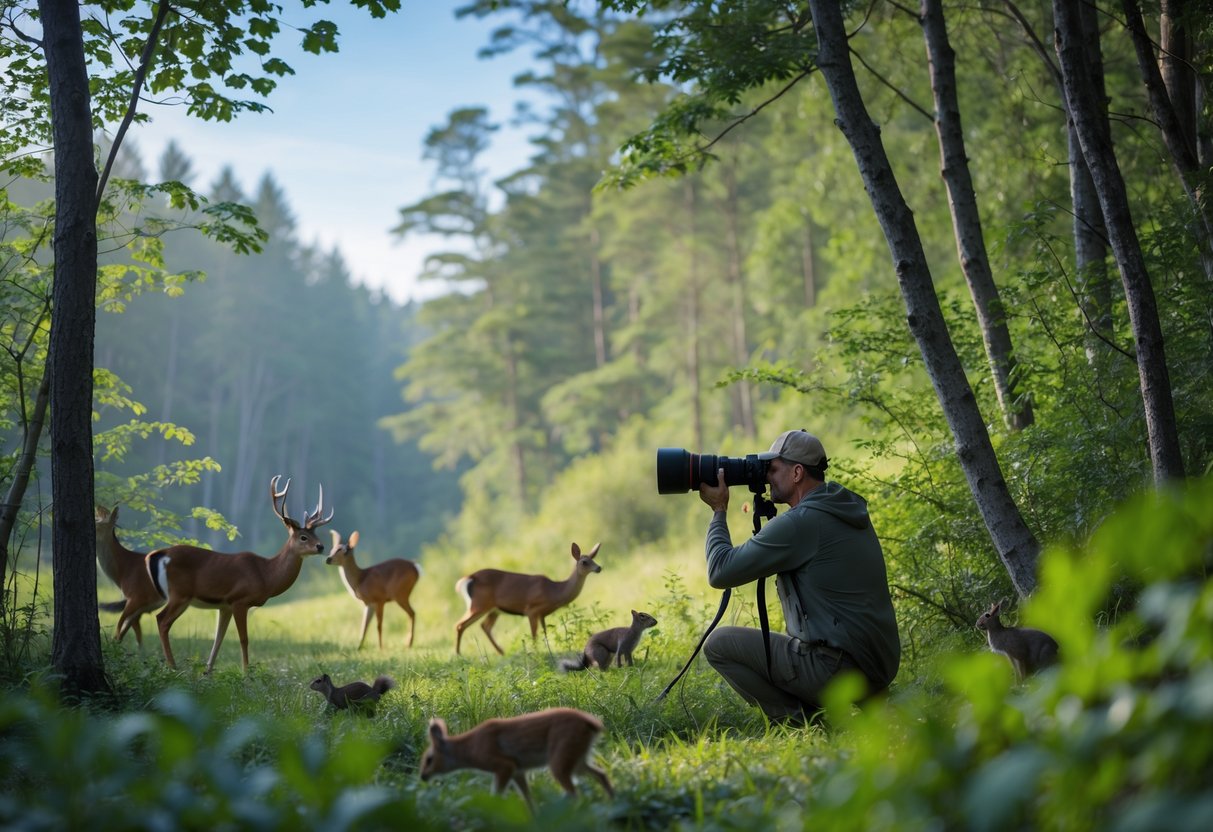
Getting close to wildlife for photos isn’t just luck. We have to really pay attention to how animals act and communicate if we want to avoid stressing them—or, honestly, putting ourselves at risk.
Learning Animal Warning Signs
Wildlife usually gives us hints when they’re uneasy. It’s up to us to notice. Birds might freeze or call out, deer could stomp or flick their ears, and small mammals sometimes chatter or suddenly go quiet.
If you see raised fur, tense posture, or an animal glancing your way a lot, that’s your cue to back off or stay put. This helps the animal relax and keeps us out of trouble, especially with bigger critters. It’s all about reading the room—or, well, the woods.
Recognizing Breeding and Nesting Seasons
Breeding and nesting are sensitive times. If we disturb animals while they’re caring for young or building nests, it can have real consequences. It pays to know when these seasons happen for whatever species you’re after.
Birds get extra secretive or defensive around their nests, and mammals might be more jumpy when they’ve got young. If we mess with nests or dens, parents might bail.
So, before heading out, look up your target species: when do they breed, where do they hang out, what signs should you watch for? Local guides and conservation sites are goldmines for this info.
Observing Natural Movement Patterns
Watching animals’ routines helps us figure out where and when to find them—without having to chase or spook them. Most wildlife sticks to patterns based on time of day, weather, and food sources.
Deer, for example, move around at dawn and dusk. Songbirds? Super busy in the early morning. If we get there early, pick a spot, and just wait it out, we’re way more likely to catch natural behavior. This “sit and wait” approach is honestly one of the best ways to photograph wildlife without disturbing them.
Knowing these habits boosts our chances for great photos and helps keep animals and their habitats safe.
Choosing the Right Gear for Ethical Photography
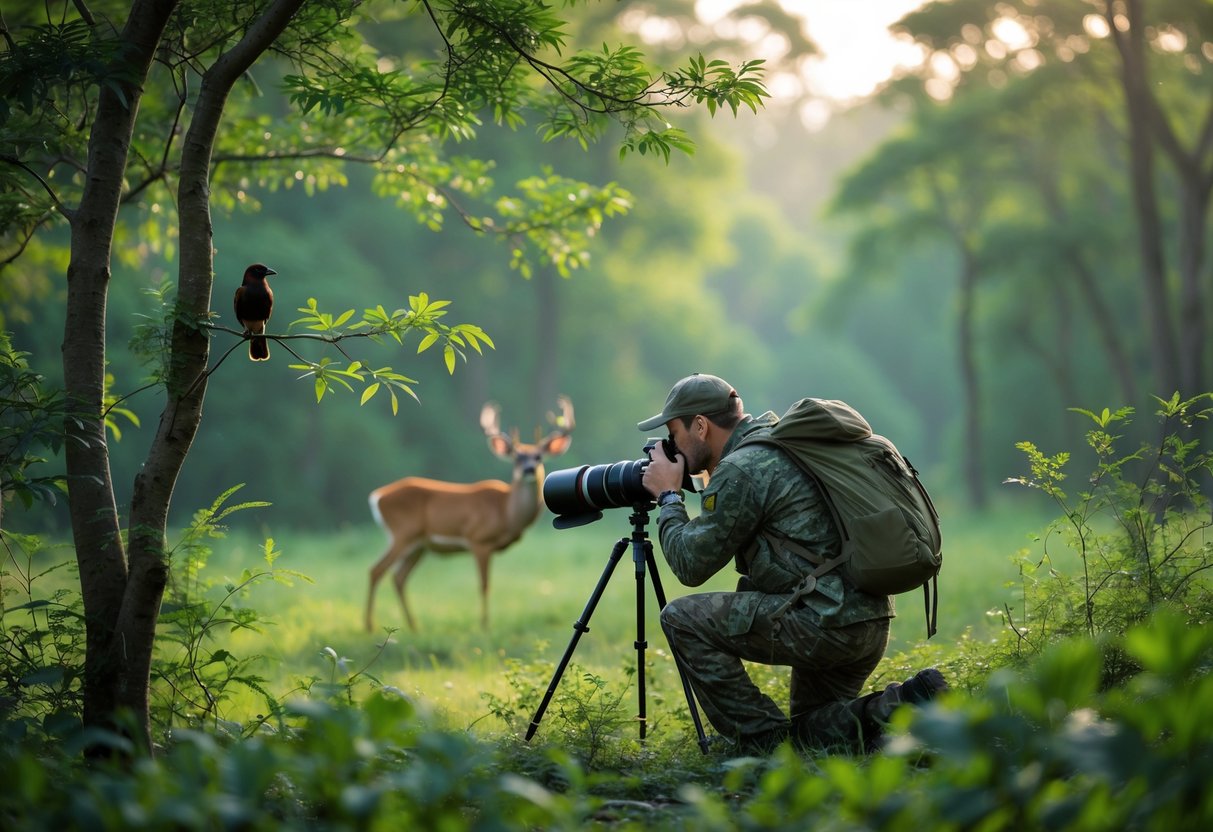
The right gear lets us grab awesome wildlife shots from a safe distance, leaving nature just as we found it. With a little planning, we can get up-close details without ever getting too close.
Selecting Telephoto Lenses for Distance
A solid telephoto lens is a wildlife photographer’s best friend. Something in the 300mm to 600mm range gets you crisp shots without creeping up and messing with animal behavior. Even entry-level zooms like a 70-300mm can work wonders these days.
Longer lenses mean we keep our distance and let animals do their thing. Most ethical guides say: use your zoom, not your feet—definitely a rule worth following, like in this ethical wildlife photography guide.
A sturdy tripod or monopod helps keep shots sharp, especially in low light. No photo is worth stressing an animal, so let the lens do the heavy lifting.
Using Silent Shutter Modes
Wild animals pick up on weird noises fast, and that shutter click can spook them. Most modern cameras have a silent or electronic shutter mode—use it whenever you can.
Even with a quiet shutter, don’t go wild with rapid-fire bursts. Animals notice patterns, even subtle ones. Watch out for other noises too, like zippers or shifting gear.
Some mirrorless cameras are nearly silent. If yours isn’t, you can muffle sounds with a jacket or use a remote trigger. Staying quiet keeps animal behavior natural, and honestly, your photos will look better for it.
Camouflage and Concealment Techniques
Blending in helps us stay invisible so animals can go about their routines. Earth-tone clothes, face coverings, or a simple blind work wonders if you’re planning to hang out for a while. A good blind hides you and cuts down on scent and movement.
Set up downwind and move slow. Don’t stand out against the sky—animals spot unfamiliar shapes fast. A mat or stool keeps you comfy and off the ground without squashing plants.
If you don’t have fancy gear, use what’s around—bushes, trees, tall grass—to break up your outline. Patience and respect go a long way in getting those relaxed, natural shots.
Planning Your Wildlife Photography Outings
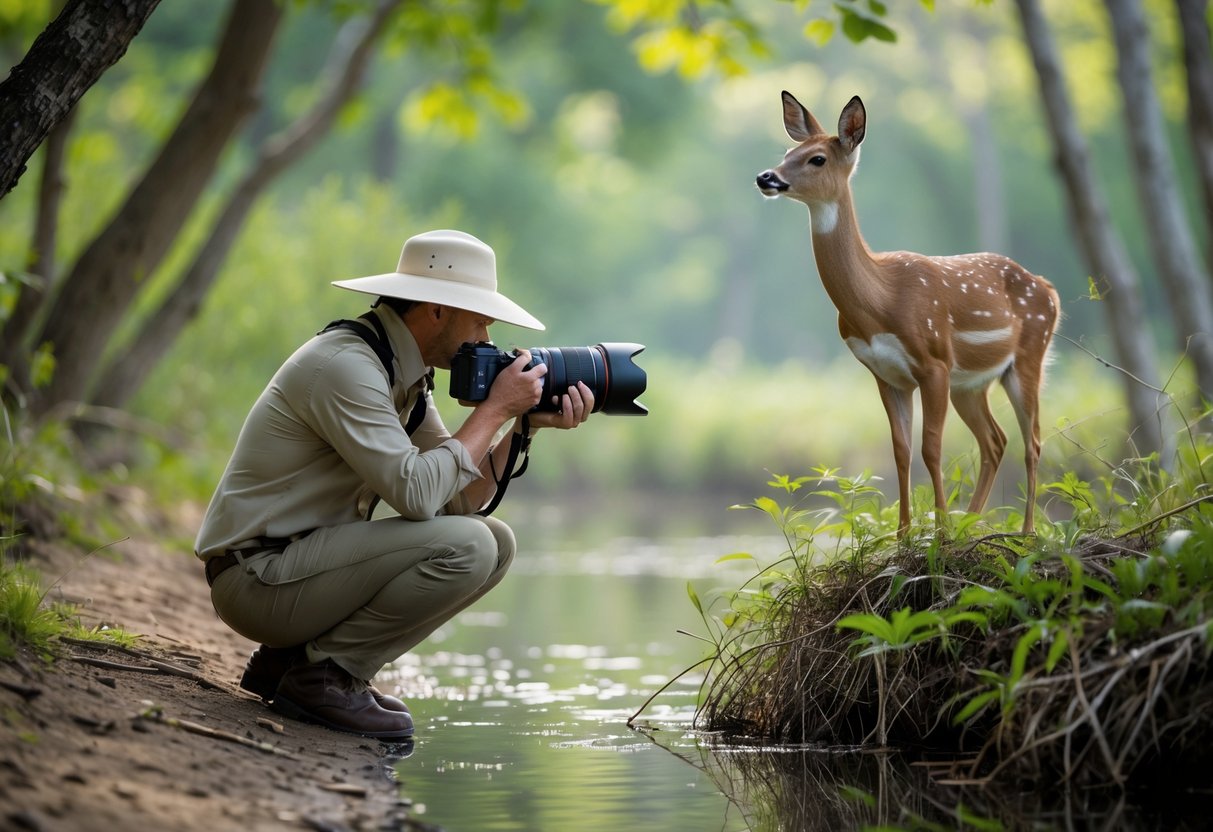
Success outdoors comes down to knowing your animals and picking the right time and place. A little prep goes a long way toward getting photos you love without leaving a mess behind.
Researching Locations and Animal Habitats
Start by checking out local wildlife spots—online resources, field guides, or even local naturalist groups are super helpful. Maps and recent sightings can tip you off to where animals are active.
Before heading out, ask yourself:
- What time of year are these animals around?
- What’s their daily routine?
- Are there sensitive nesting or feeding areas to steer clear of?
If you can, talk to park staff or guides. They’ll know about active sightings, off-limits areas, or special rules. Stick to trails and observation points to blend in and avoid trampling anything fragile. If you want to brush up on the basics, this beginner’s wildlife photography guide is a solid resource.
Optimal Times for Minimal Disturbance
Animals are usually most active at dawn and dusk. Bonus: the light is way better then, too. Arriving early gives you time to settle in quietly, so you don’t startle anything.
Timing matters even more during breeding, nesting, or migration. Skip approaching known nesting sites, especially if you spot young ones. Animal activity can change week to week or with the weather, so keep an eye on updates or use wildlife apps.
If you stay quiet and move as little as possible, you’ll have a better shot at catching natural behavior. Honestly, patience is what separates the pros from the rest of us. Always pay attention to posted guidelines so you don’t accidentally wander into a sensitive area. For more on timing and safety, check out this wildlife photography safety guide.
Minimizing Human Impact in the Field
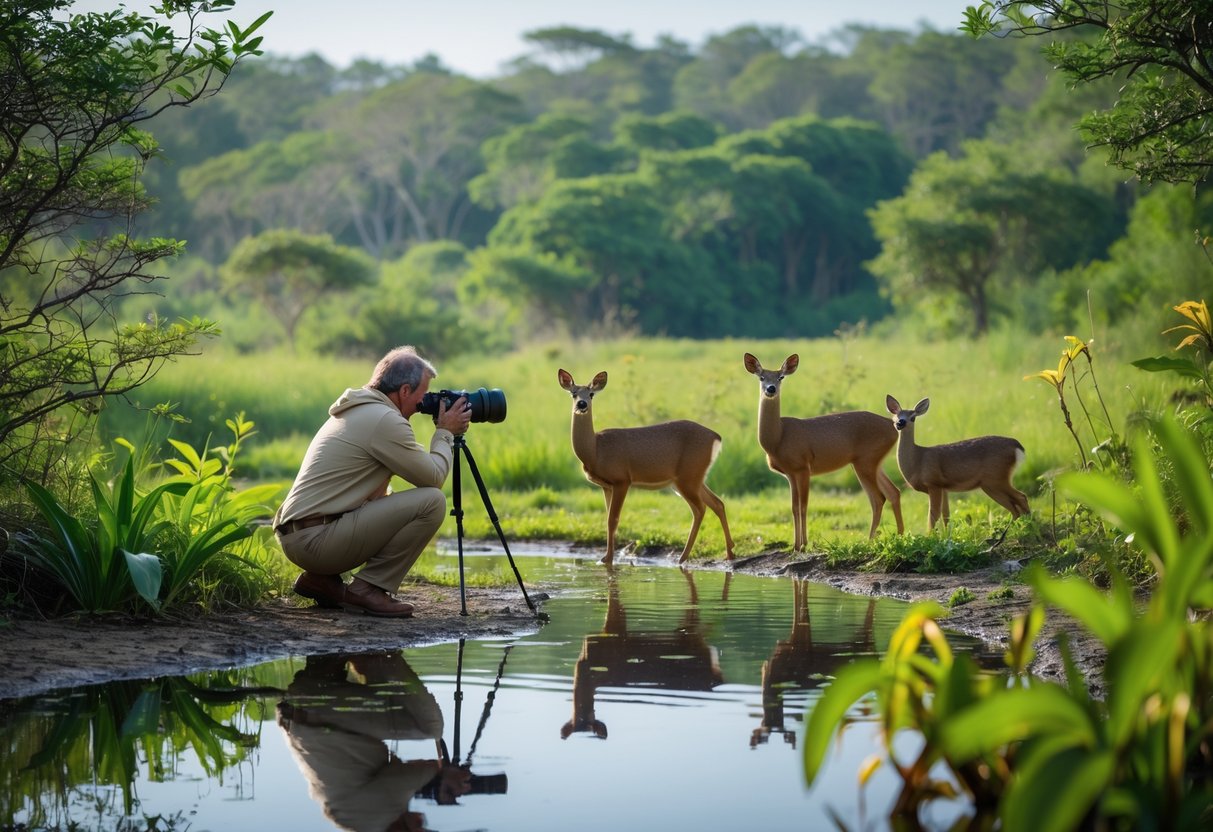
Protecting habitats is about more than just getting a shot—it’s about respect. Every move we make can either help or quietly mess with the balance of nature.
Sticking to Established Trails
Staying on marked paths helps prevent erosion and keeps invasive species from spreading. Trails are there for a reason: to limit our impact and protect sensitive spots.
It’s tempting to wander off for a better angle, but going off-trail can crush plants or disrupt nests. Unless you’ve got official permission, treat off-trail areas as off-limits.
Most parks have maps or signs showing where you can walk. If you’re not sure, ask a ranger or land manager. Following the rules is a simple way to protect the places we love to photograph. More tips on field ethics are on the U.S. Fish & Wildlife Service’s ethics page.
Keeping a Respectful Distance
Getting too close makes animals nervous and can mess with their routines. Keeping your distance lets them do their thing without interference.
A good rule: if the animal notices you—looks up, freezes, or moves away—you’re too close. For birds, rely on your zoom lens or binoculars.
Many parks post minimum distance rules, especially during sensitive seasons. Using bait or calls to lure animals isn’t cool and most conservation groups discourage it.
Silent Movement and Low-Impact Presence
Less noise means less stress for wildlife. Silence your phone, keep conversations low, and cut down on camera noise if you can.
Wear earth tones instead of bright colors to blend in, and soft-soled shoes help you move quietly. The less you stand out, the better.
Sudden movements can be just as disruptive as noise. Staying calm and patient pays off for your photos and for the animals. Our goal should always be to leave as little trace as possible, like those eco-photography guides recommend.
Managing Group Size During Shoots
Big groups can overwhelm wildlife and make it tough to keep things quiet. Smaller groups mean less noise, fewer footsteps, and a lower chance of disturbing anything.
If you’re with friends, agree on hand signals and spread out. Break into smaller groups if you can, or take turns at the best spots.
Even in workshops or club outings, leaders can set the tone with clear rules. Keeping the group small makes it easier to respect habitats and usually leads to a better experience for everyone. Professional photographers talk about limiting group size to minimize environmental impact for a reason.
Respecting Wildlife and Protected Areas
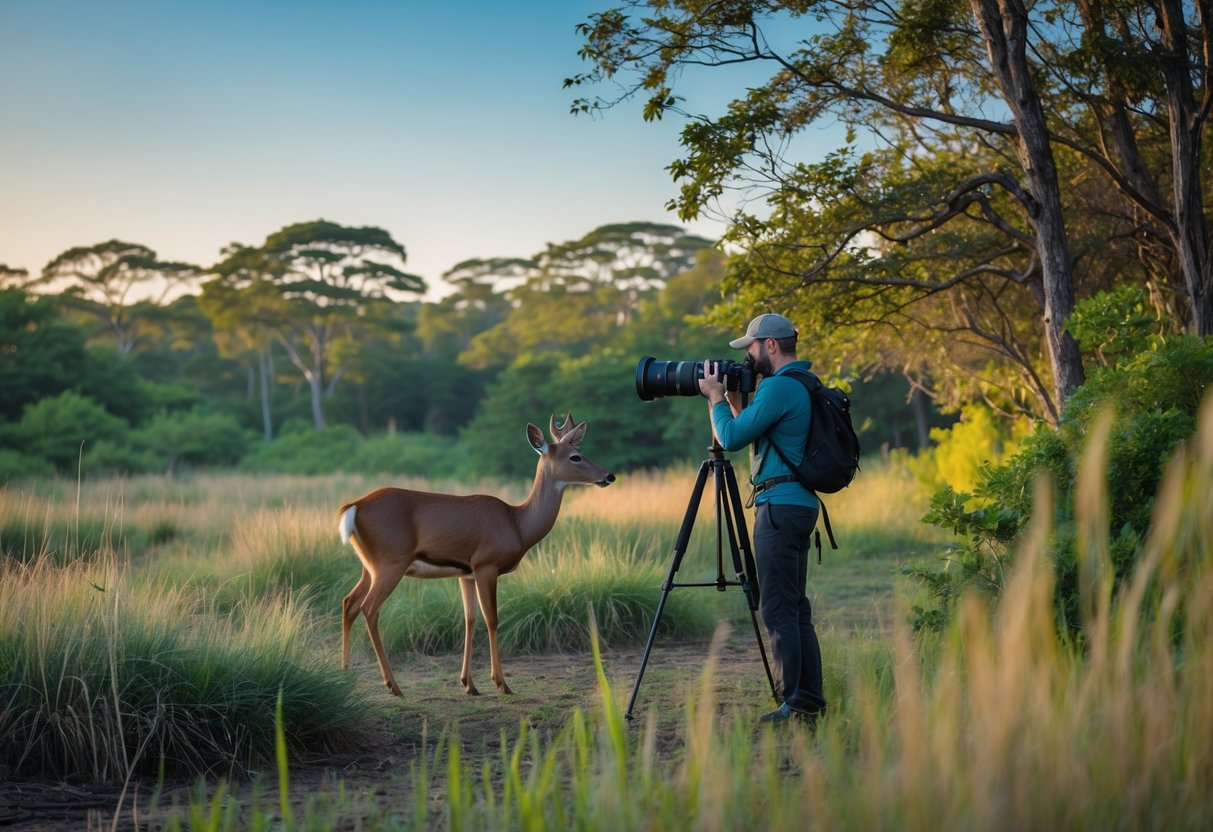
Ethical wildlife photography’s all about putting animals and their habitats first—even when you’re itching to get that perfect shot. When we stick to the rules and avoid sensitive spots, we help make sure these wild places stick around for the next generation.
Following Local Regulations and Guidelines
When we’re out in wildlife areas, those rules on signs or shared by rangers aren’t just for show—they exist to protect both animals and their homes. It’s smart to check for any special instructions or seasonal closures before heading out. Some parks only let in small groups or limit hours to avoid disturbing breeding or nesting animals.
Visitor centers and park websites usually have maps, leaflets, and tips on what to watch out for. Packing out trash, keeping quiet, and respecting boundaries—these are basics, but sometimes there’s more, like switching to silent camera mode or skipping artificial lights at night.
Let’s be real—the best way to support these places is to trust the folks who run them. When we follow the rules, we help wildlife and set a solid example for others. If you’re looking for a place to start, check out these wildlife photography guidelines.
Avoiding Sensitive or Restricted Zones
Wildlife does best when we leave their habitats undisturbed. Sensitive spots—like nesting sites, feeding areas, or breeding grounds—are usually marked off or closed for a reason. Going into these areas can stress animals out or wreck fragile environments.
If there’s a rope or a sign, that’s our cue to stay back, even if the perfect shot is just out of reach. Sticking to trails protects plants and keeps erosion down, which helps the whole ecosystem, animals included.
Some spots only open for a few months each year. Asking rangers or guides about local restrictions keeps us informed. Setting up from a distance or using blinds, as many ethical photographers recommend, lets us see some amazing animal moments without getting in the way—take a look at this respectful wildlife photography guide for more ideas.
Post-Processing While Preserving Authenticity
Editing wildlife photos lets us tweak lighting and color, but it’s easy to go overboard and end up with something that doesn’t look real. Keeping things true to what we saw helps us stay honest and keeps the photo’s value intact.
Maintaining Accuracy in Editing
We all want our wildlife shots to stand out, and shooting in RAW gives us plenty of room to adjust later. Still, it’s best to avoid heavy edits that change how the animal or scene actually looked. Fixing exposure, contrast, and sharpness makes sense, especially in tough lighting.
Lightroom and Photoshop help us get rid of dust spots or digital noise. But moving background elements or changing an animal’s color? That crosses a line and can mislead people. It’s better to stick with edits that just enhance details or fix natural color.
It helps to keep a copy of the original image handy. Flipping between the edit and the original can keep us honest. Want more on this? Check out this wildlife post-processing guide for tips from the pros.
Ethical Storytelling in Wildlife Imagery
When we create wildlife images, we take on a responsibility: show the animal as it really was, without adding fake drama. Our edits shouldn’t turn up the intensity on behavior or change the feel of the environment. For example, making a sunset look way more dramatic than it was can give a false impression of the habitat.
If we start removing branches, grass, or other wildlife just to “clean up” a shot, we lose some of the real story. Leaving those natural elements in paints a fuller picture of the animal’s world.
A good gut check: would someone recognize the animal and scene if they saw it in real life? If yes, we’re probably doing it right. National Geographic’s ethical wildlife photography guidelines are a solid reference if you’re ever unsure.
Sharing and Advocating Responsible Photography
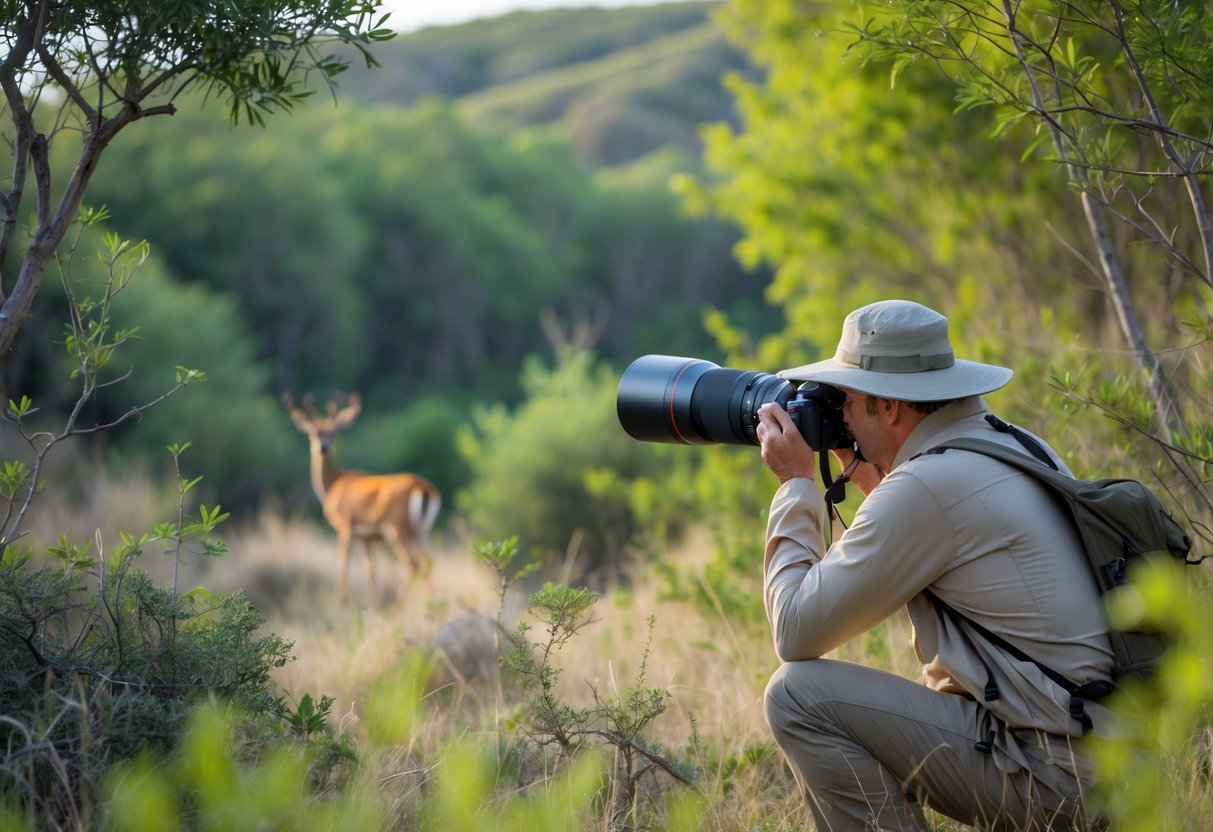
We set the tone for ethical wildlife photography. If we want to protect wild places, we have to share what we know and encourage better habits in the field.
Educating Others About Wildlife Respect
You don’t need to be an expert to talk about wildlife respect. A quick chat with another photographer or a thoughtful caption on social media can actually make a difference. When we post our photos, it helps to mention how we kept a safe distance or avoided stressing out the animals.
If we see someone creeping too close, a friendly tip about using a long lens or staying back can really help. Sharing our prep—gear, timing, or using blinds—gives others practical ideas.
Some key reminders to pass on:
- Don’t bait or call wildlife for photos
- Steer clear of nests and dens
- Leave no trace—pack out your stuff
Articles like National Geographic’s guide to ethical wildlife photography are handy for sharing with both newbies and seasoned photographers.
Encouraging Best Practices in Photo Communities
Our photo groups and online forums shape what new folks expect. If we see questionable shots—animals looking stressed or photographers way too close—we can ask about the situation and offer gentle advice. Suggesting long lenses or camo blinds helps people get great images without hassle.
Posting “community ground rules” in online groups or having a hashtag for responsible shots can spark good conversations. Linking to resources like this guide to responsible wildlife photography backs up our suggestions without sounding preachy.
Sharing our own mistakes and what we’ve learned can move everyone forward. Nobody gets it right every time, but we all improve when we learn together.
Frequently Asked Questions
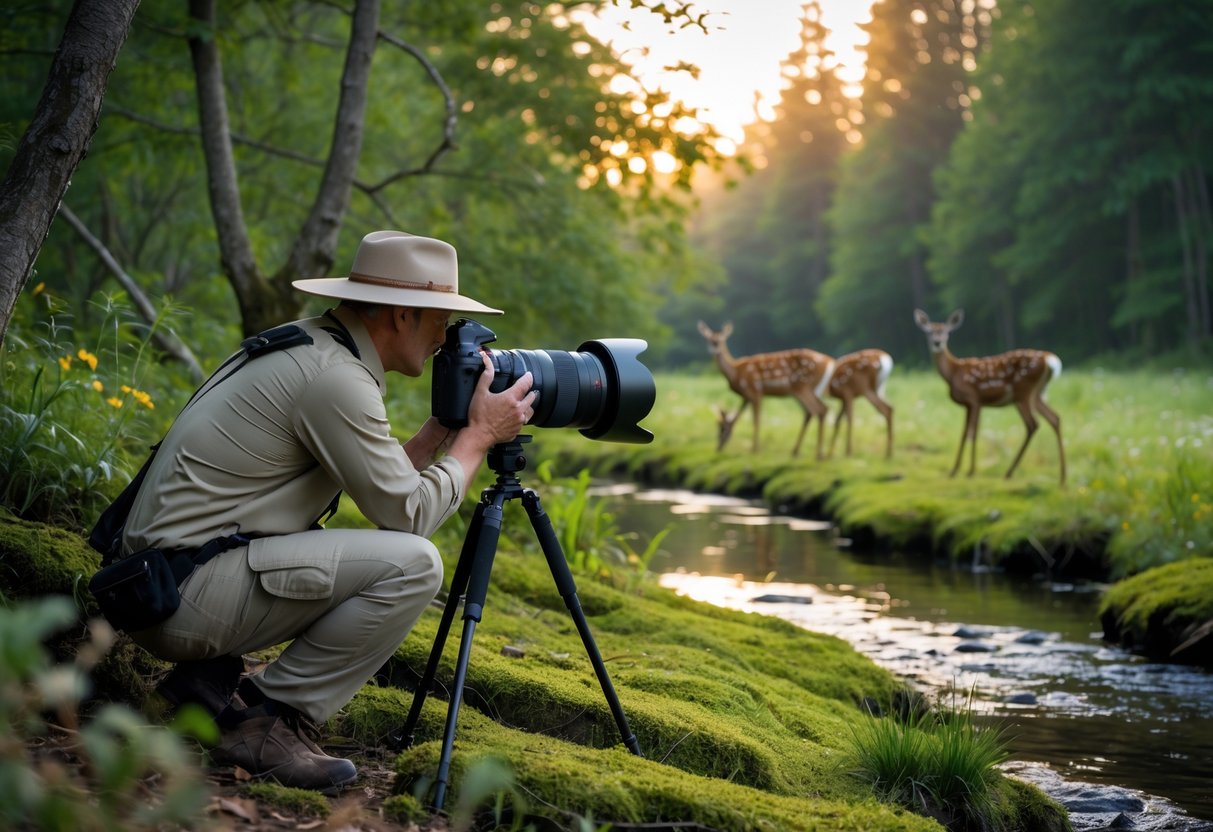
We all want sharp, memorable wildlife images, but not at the expense of the places we love. Getting camera settings right, blending into nature, and using the right gear go a long way.
What camera settings do the pros recommend for capturing dynamic wildlife shots?
We usually rely on fast shutter speeds—at least 1/1000 sec—to freeze action. Aperture priority with auto ISO lets us react quickly to shifting light and movement. Continuous autofocus (AI-Servo or AF-C) tracks moving animals and boosts our odds of a sharp shot.
Can you share tips for beginners eager to snap stunning wild animal photographs?
Patience is everything—sometimes we wait hours for a single shot. We research local wildlife habits and get familiar with our cameras before heading out. Early morning or late afternoon brings better light and more animal activity, so we plan around those times.
How do the pros manage to photograph wildlife without upsetting their natural behavior?
We keep our distance and use telephoto lenses to avoid intruding. Quiet movements, neutral clothes, and not making eye contact help us blend in. If an animal changes its behavior, we back off and give it space.
What's the secret to getting that perfect blurry background in wildlife shots?
A wide aperture—like f/2.8 or f/4—blurs the background and makes the subject pop. The longer the lens (300mm or more), the more dramatic the effect. We pay attention to what’s behind the animal and try to avoid distractions.
Could you list the essential gear every aspiring wildlife photographer should have?
We always bring a DSLR or mirrorless camera with a fast burst rate. A sturdy tripod or monopod helps steady long lenses. Telephoto lenses (300mm or longer) are key for keeping your distance. Weatherproof clothes, lens cloths, and extra batteries round out the kit.
What techniques do wildlife photographers use to stay safe and respectful to the animals?
We don’t get too close and stick to the local rules about safe distances. Food stays sealed up so we don’t end up with unexpected animal visitors. In bear country, we bring bear spray and make some noise while hiking—though when we’re actually shooting, we move slowly and try to stay calm. We pack everything out and make sure not to leave a trace behind.