
We’ve all snapped a quick outdoor portrait, only to get those odd shadows or blown-out highlights that just don’t feel right. It’s not just about having a fancy camera or a pretty background—the direction of light really shapes the mood, texture, and even the story in our photos. A simple shift can mean the difference between a vibrant, flattering shot or a photo where everyone’s squinting or hiding in the shadows.
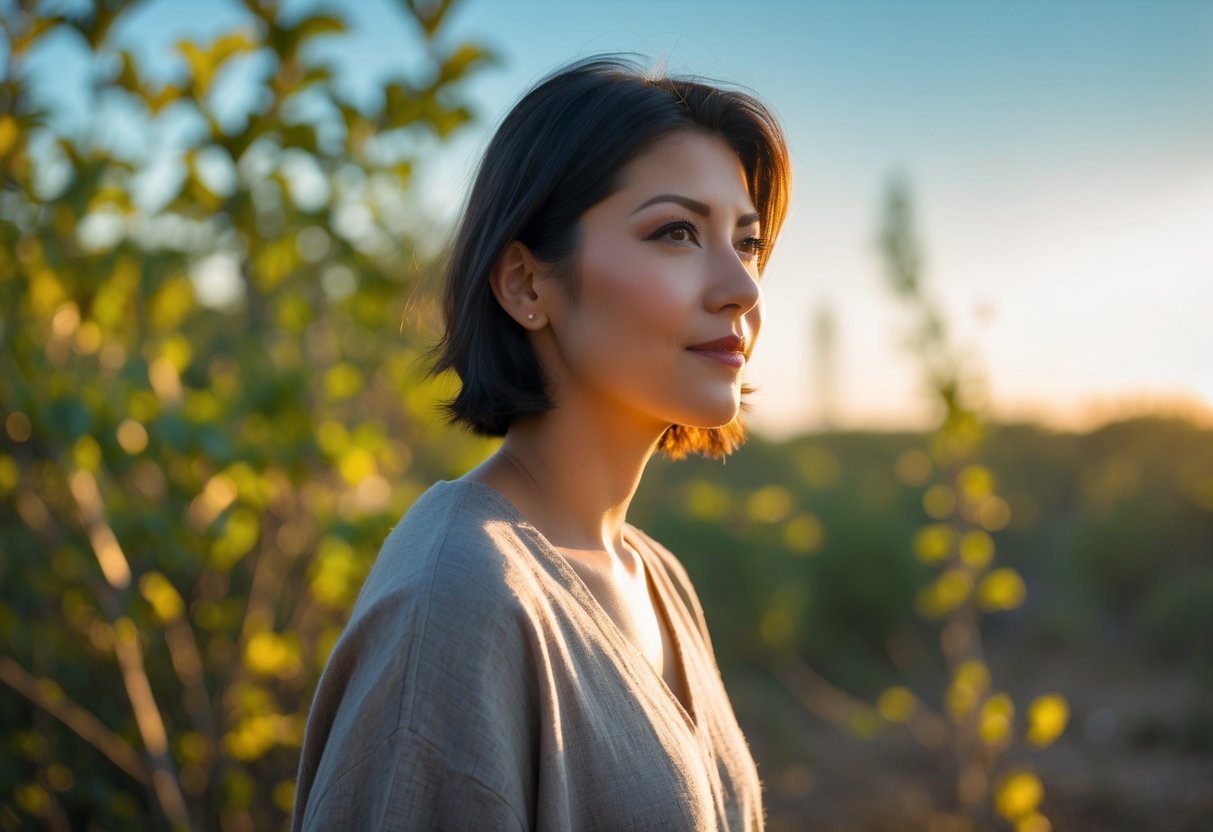
When sunlight hits your subject at the right angle, their features pop and the colors come alive. But if you get it wrong, faces can look flat or you end up with shadows that just weren’t part of the plan. Learning to play with the sun lets us take control—whether we want something soft and natural or moody and bold.
Key Takeaways
- Light direction changes the mood and depth of outdoor portraits.
- The right angle can highlight or soften facial features.
- Planning and experimenting with light helps us dodge the usual portrait pitfalls.
Understanding the Impact of Light Direction
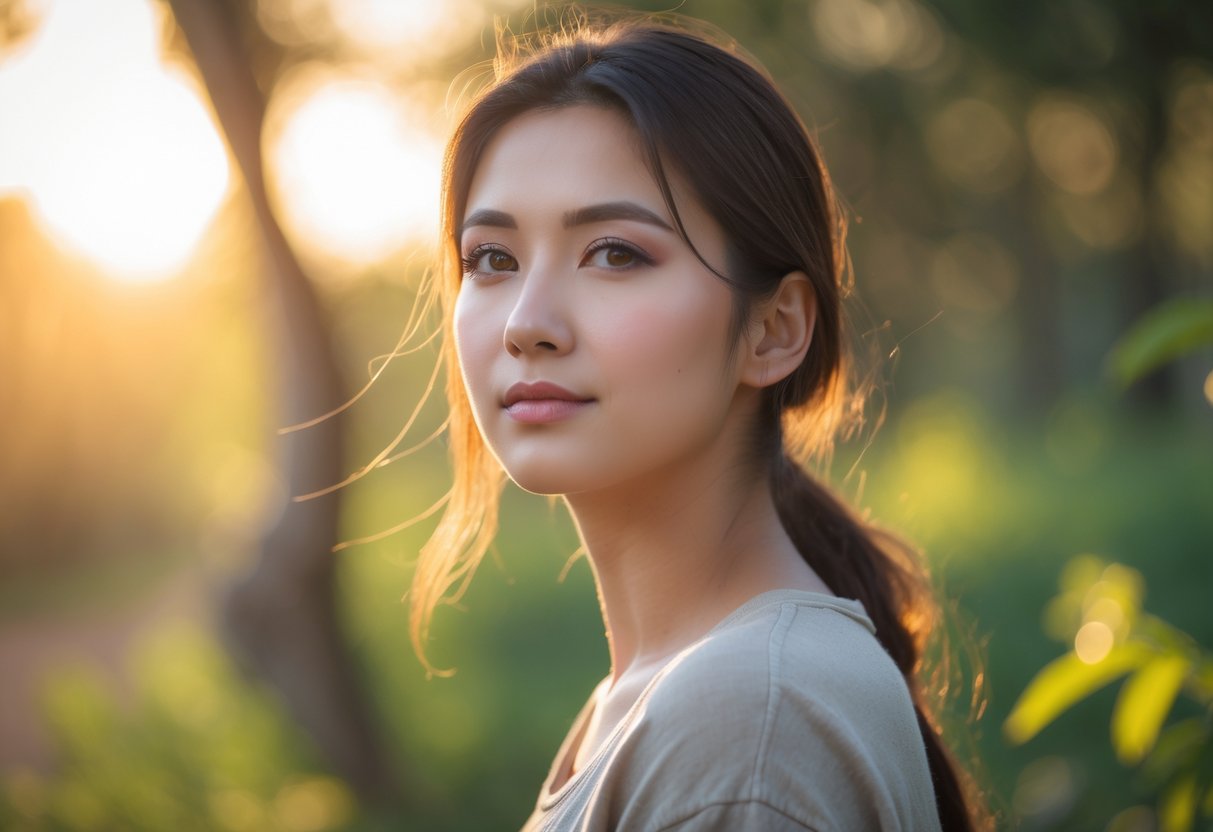
Light direction is basically the boss of outdoor portraits, shaping everything from the way features look to the vibe you get from a shot. It can define contour, create visual interest, and decide how dramatic or gentle your photo feels.
How Light Defines Shape and Texture
The angle of the sun (or whatever light you use) changes texture and form a lot. Side lighting, for example, sculpts a face by casting gentle shadows along one side. Suddenly, you see cheekbones and jawlines that just aren’t there with flat light.
Front lighting wipes out most shadows, which can help hide skin imperfections, but it also flattens out features. Backlighting gives you that glowing outline—super pretty, but it can hide details if you’re not careful. If you want more on how directional light changes portraits, check out using light to guide viewer focus.
Texture can get exaggerated or softened depending on the angle. Harsh side light brings out every wrinkle, fabric detail, or stray hair, while soft light smooths everything out.
Controlling Drama and Mood with Light
The direction the light hits your subject lets you set the mood. Side or angled light adds drama and depth, making portraits feel bolder or even a bit mysterious. Sometimes it’s like turning up the emotional volume with a single shadow.
Backlighting gives that dreamy, haloed look, especially around sunrise or sunset. You get glowing hair and a rim of light—a favorite trick for a reason. But it can leave faces looking dark if you don’t adjust your exposure.
Front lighting feels safe and bright, giving you cheerful, even results. It can look boring if you overdo it, though, so don’t be afraid to mix things up. You’ll see that just shifting your angle changes the whole feel of a photo, as explained in understanding how light direction impacts photos.
Influence on Skin Tones and Facial Features
Lighting direction really impacts how skin looks in outdoor portraits. Side lighting can draw attention to wrinkles or blemishes, while front lighting smooths those out and makes skin look softer.
The wrong angle can cast awkward shadows under the nose, eyes, or chin. Midday sun, coming from way overhead, often creates deep eye sockets and harsh lines, so it’s worth turning your subject or waiting for softer light.
Backlighting can make rim light magic, but you risk losing color and detail in faces if you don’t balance your exposure. Adjust your position relative to the sun, and you’ll get much more flattering results—there’s more on this in the importance of light position in photography.
A simple trick: keep an eye on where shadows fall, and aim for soft, even lighting to get natural-looking skin tones.
Types of Light Directions in Outdoor Portraits
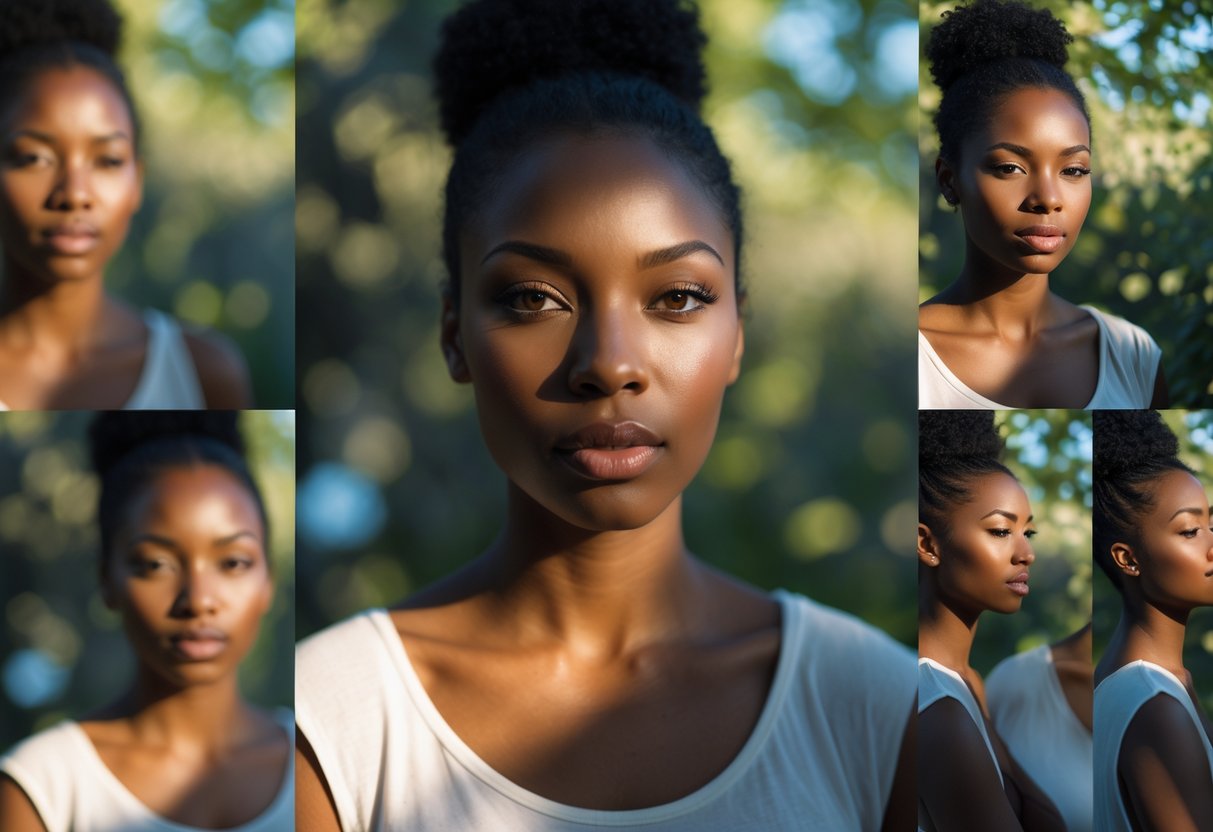
Light direction outside can totally change the mood and clarity of our portraits. It affects everything—features, skin texture, and the whole atmosphere.
Front Lighting
With front lighting, you put your subject facing the main light, usually the sun. This setup gives even light across their face, hiding most shadows and making blemishes less obvious. It’s a simple way to get bold colors and sharp details.
But front lighting sometimes looks flat, since it wipes out depth and shape. It also makes people squint if the sun’s strong. Shooting when the sun is low—early morning or late afternoon—helps a ton, since the light’s softer and warmer. You get all the clarity without blinding your subject.
Side Lighting
Side lighting happens when the light hits from the left or right of your subject. This brings out facial features and textures by casting shadows on one side, giving more depth and a sculpted feel.
Try turning your subject at different angles to tweak the shadows. A 45-degree angle is usually flattering, adding definition but still showing both sides of the face. Side lighting highlights details you might want to show off, but watch out for harsh lines or deep shadows that might not look great if you don’t balance them.
Backlighting
Backlighting puts your subject with the sun behind them. This can create gorgeous rim light around hair and shoulders, adding a dreamy, soft vibe.
One key tip: meter for your subject’s face, not the background, or you’ll end up with a silhouette. A reflector or fill flash helps bring back lost detail. Backlighting works best during golden hour, when the sun’s gentle and warm. For more on backlit portraits, check out these outdoor photography lighting tips.
Top Lighting
Top lighting is what you get with the sun overhead—think noon. It throws harsh shadows under the eyes and nose, making people look tired or just... off. Facial details can get lost, and the photo might feel harsh.
To deal with top lighting, get creative. Use the ground as a reflector, pop on a hat, or find open shade. Shooting outdoors at noon isn’t ideal, but if you have to, try to diffuse the light with trees or an awning for softer shadows.
Benefits and Drawbacks of Different Light Angles
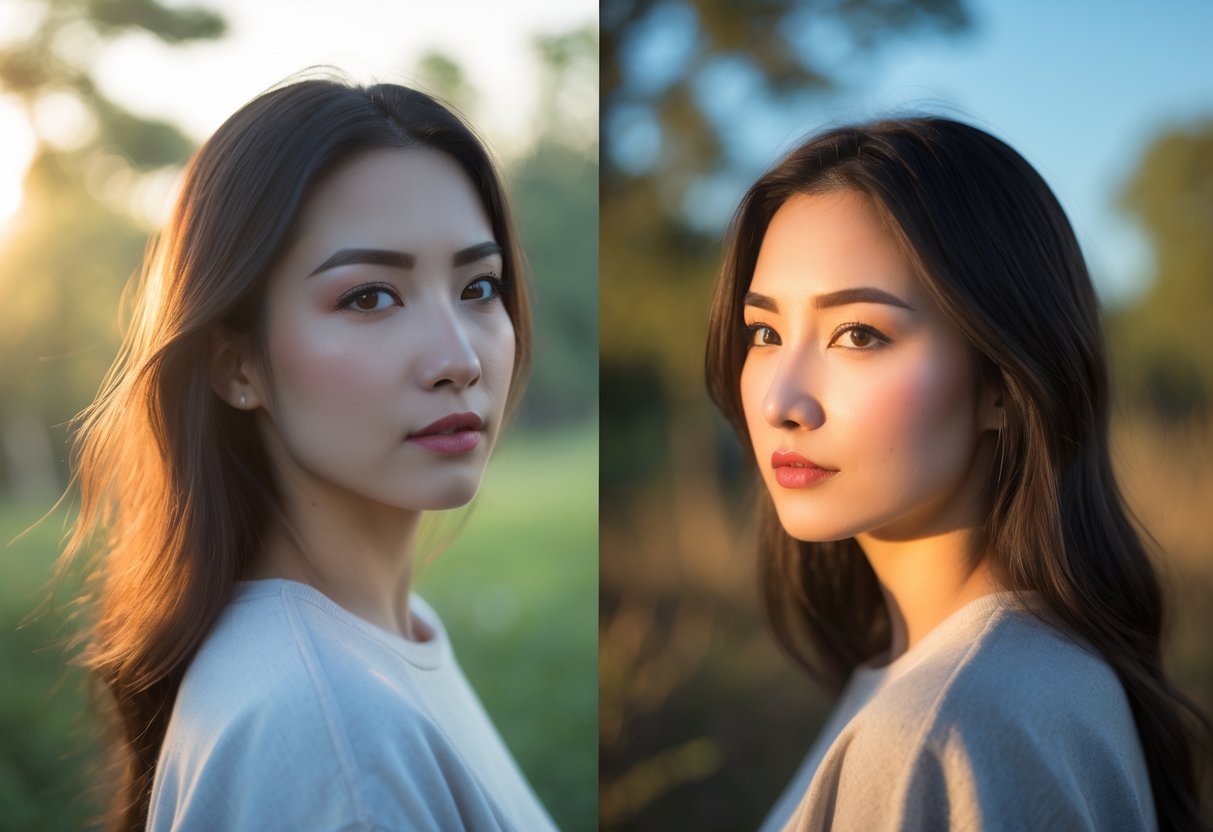
Light angles shape how your subjects look, affecting shadows, depth, and which features stand out. Whether you want something soft, dramatic, or just natural, knowing these effects helps you make better calls on location.
Flattering Versus Unflattering Shadows
Side lighting, especially at about 45 degrees, sculpts the face and adds soft shadow to cheekbones and jawlines. It gives dimension without being too harsh. Late afternoon sunlight does this naturally, subtly boosting bone structure.
But if the sun’s high, shadows land in weird places—deep eye sockets, harsh lines under the nose. Not great. Direct front light wipes out shadows but can leave things looking lifeless.
Soft, angled light is usually the sweet spot. Turning your subject a bit or using a reflector helps you control shadows for a gentle, flattering look.
Creating Depth or Flatness
Lighting direction changes how much depth or flatness your portraits have. Side light emphasizes contours and texture, adding that three-dimensional pop.
Front lighting, like with an overcast sky or the sun at your back, smooths skin and wipes out lines. Nice for some looks, but it can flatten your portrait.
With backlight, you get that rim light around hair and shoulders, separating your subject from the background. But if you skip fill light, faces can end up underexposed. A reflector or fill flash keeps things balanced.
Highlighting or Minimizing Features
Light direction decides which features stand out or fade. Strong side light can highlight texture and wrinkles—good for character, maybe not for everyone.
Soft front light smooths out imperfections and makes skin look cleaner. It’s a go-to for anyone worried about how their skin reads on camera.
Light from below? Almost never a good idea. It throws weird shadows and distorts faces. Side or slightly downward light usually strikes the right balance, keeping features defined but still flattering. For more on this, check out understanding light in portrait photography.
Outdoor Conditions and Light Variations
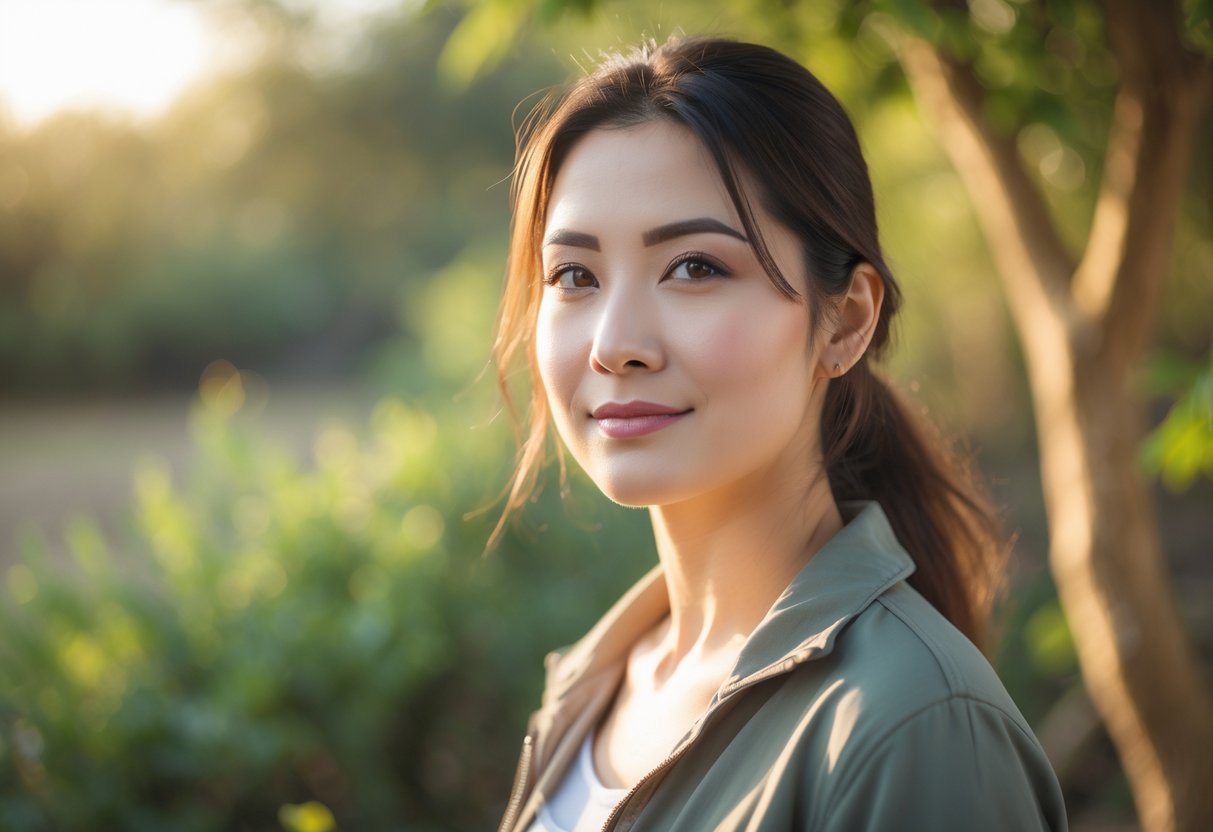
Outdoor light isn’t just about direction—it shifts all day, changes with the season, and depends on the weather. Paying attention to these changes helps us dodge harsh shadows, washed-out skin, and blown highlights.
Natural Changes from Sunrise to Sunset
There’s just something about shooting after sunrise or before sunset. During these “golden hours,” sunlight is softer and warmer, coming in low and giving you flattering highlights and gentle shadows. Faces look more dimensional, and backgrounds glow without overpowering anyone.
Midday? That’s a beast. The sun’s high, light’s harsh, and shadows drop straight down. People squint, contrast goes wild. The fix: find open shade—under a tree, next to a wall—where light softens up.
As evening rolls in, the light cools and dims. “Blue hour” shots might need a higher ISO or even a tripod, but the vibe is calm and dreamy.
Adapting to Cloudy Versus Sunny Days
Cloudy days are actually awesome. The clouds work like a giant softbox, scattering light and wiping out harsh shadows. You get soft, even lighting—great for smooth skin and subtle detail. The main challenge is just finding a good spot to shoot.
Sunny days are trickier. Direct sun brings strong shadows and lots of squinting. Instead of fighting the sun, grab a reflector to bounce light back, or position your subject with the sun behind them to dodge harsh highlights. Open shade on a sunny day also works wonders for soft, flattering light.
For more on this, there’s a deeper dive into weather and portraits at Peachpit's guide to working with natural light.
Seasonal Differences in Light Quality
Honestly, you can't overlook the time of year. In summer, the sun climbs high and sticks around, blasting us with strong, direct light—even if it's just after sunrise or right before sunset. Shade really becomes a lifesaver when you're trying to keep contrast manageable and colors from going wild.
Winter flips the script. The sun stays low, days are short, and you get softer light for longer stretches. Shadows stretch out, which can look cool but sometimes throws off your exposure. The sunlight gets a little cooler and bluer, so you might find yourself tweaking the white balance or editing differently.
If you stay aware of these shifts, you can plan your shoots and get the vibe you want, instead of just hoping for the best. There’s more about reading outdoor light at Digital Photography School.
Techniques for Using Light Direction Creatively
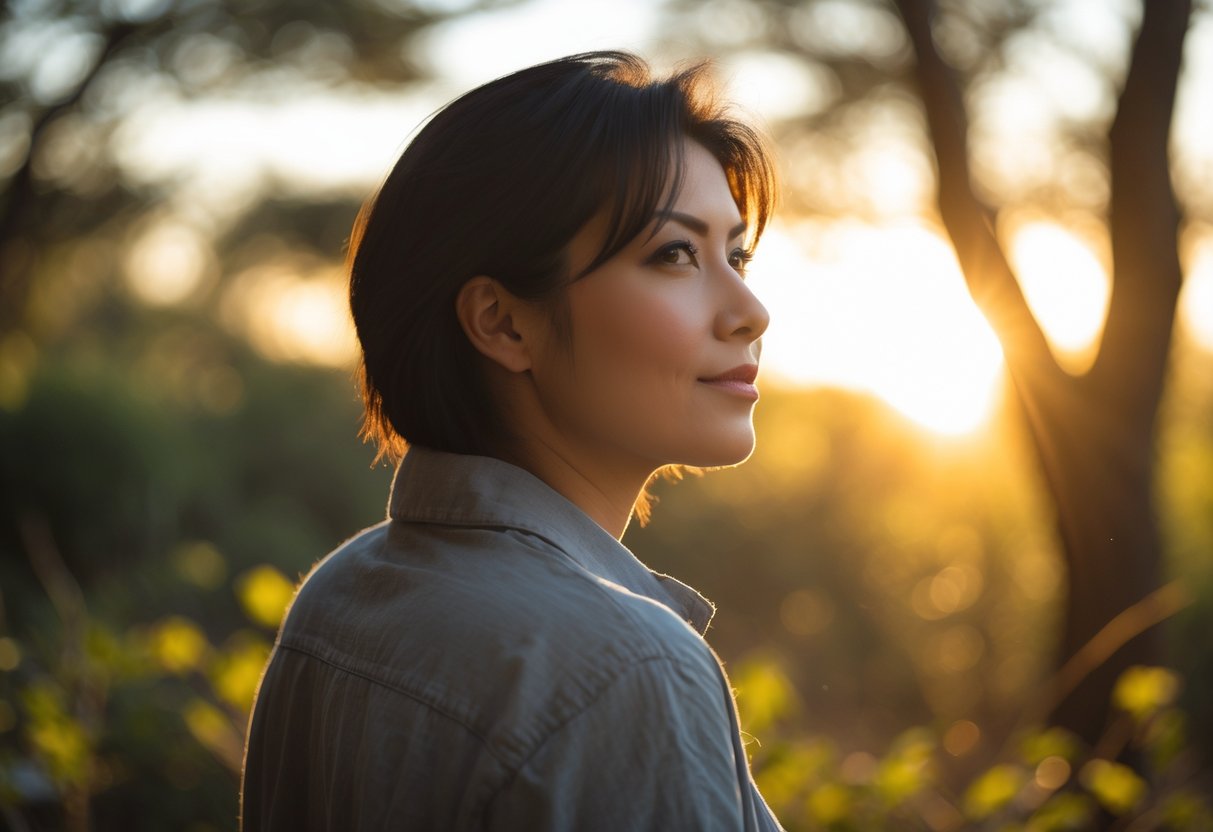
Nailing the direction of outdoor light can totally change the feel and style of a portrait. There are a bunch of tricks for shaping and controlling natural light, even if the weather isn’t playing nice.
Positioning Our Subject for Best Results
Where you put your subject compared to the sun? It matters—a lot. If you turn their back to the sun, you help them avoid squinting and dodge that shiny glare on their face. That’s backlighting, and it’s great for getting that soft glow around their hair and making them stand out from the background.
Want a bolder look? Try putting the sun to one side. You’ll get split or loop lighting, which brings out texture and gives the shot more depth. Even at noon, open shade or facing your subject toward indirect light smooths out skin tones and avoids those deep, awkward shadows. If you’re feeling adventurous, silhouettes at sunrise or sunset can be really eye-catching—just watch how the shadows outline their features. There’s more on this in guides about effective light direction for portraits.
Utilizing Reflectors and Diffusers
Reflectors and diffusers? Absolute game-changers. A white, silver, or gold reflector bounces sunlight onto shadowy parts of the face, evening things out. Gold makes skin tones warmer, silver gives you a brighter, sharper look.
If the sun’s too harsh, grab a diffuser—maybe a bit of translucent fabric or a pop-up disc—and hold it between the sun and your subject. It softens everything, stops the squinting, and smooths out the skin. Here’s a quick cheat sheet:
| Tool | Benefit | Best For |
|---|---|---|
| White Reflector | Soft, natural fill | Portraits in shade |
| Silver Reflector | Bright, punchy highlights | Overcast or late day |
| Gold Reflector | Warm skin tones | Golden hour, beach |
| Diffuser | Gentler, soft shadows | Direct sunlight, noon |
With these tools in your kit, you can adapt to whatever the sun’s doing.
Blending Ambient and Artificial Light
Sometimes, sunlight alone just doesn’t cut it. Bringing in a flash or strobe—on or off camera—opens up a lot more creative options. Use fill flash with sunlight to lift shadows on faces without blowing out the background.
If you place your flash about 45 degrees to the side or a bit above, you keep the light looking natural and add some dimension. Set the flash a little dimmer than the sunlight so you’re just filling in the dark spots, not overpowering the scene. Gels can help match the color if you want everything to blend.
This trick really saves the day on cloudy afternoons or during sunset, when the light can change in a split second. With a little practice, your portraits will look polished, no matter what the weather throws at you. You’ll find more details in the outdoor natural light portrait guide.
Common Mistakes When Considering Light Direction
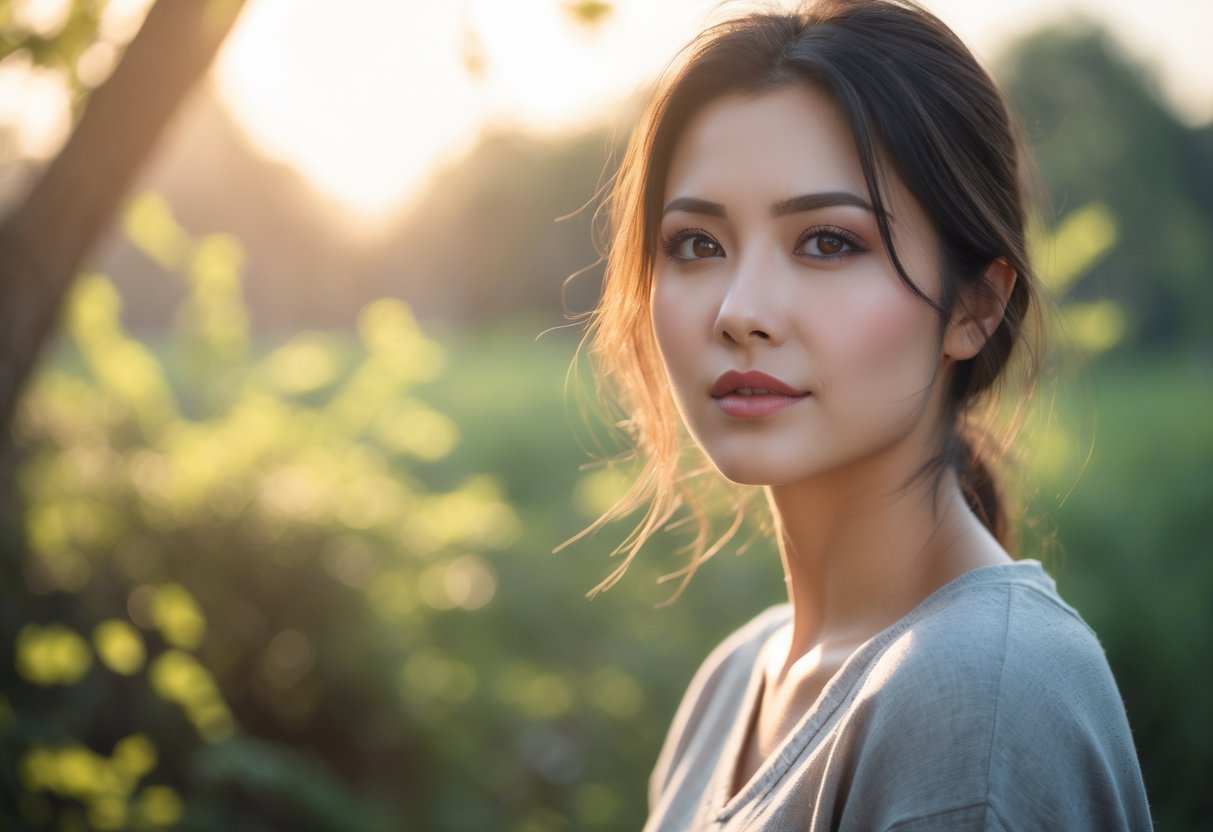
Getting light direction right is crucial for outdoor portraits, but it’s easy to slip up and end up with photos that just feel off. Little things—like where shadows land or whether someone’s eyes have that spark—can really change the final image.
Ignoring Distracting Shadows
Ever line up a shot, think it’s perfect, and then later spot a weird shadow across someone’s face or neck?
If you ignore where shadows fall, you can end up with dark lines under noses, chins, or even across eyes. Sometimes, a tree branch shadow turns into an accidental mustache. These kinds of distractions steal focus from your subject and can make the photo less flattering—or even just odd.
Midday sun is especially brutal, casting deep, unflattering shadows. Shooting when the sun is lower helps soften these lines, as mentioned in this guide on natural light for outdoor photography. Pay attention to which way people are facing and adjust until the light falls more evenly. A quick scan of the whole scene—background included—catches wild shadows before you press the shutter.
Overlooking Catchlights in the Eyes
Catchlights—the little bright reflections in someone’s eyes—are easy to miss but make a massive difference. Without them, eyes look flat or dull, and the whole portrait loses a bit of life.
If the light’s coming from behind or straight above, you probably won’t get that sparkle. Try moving your subject or yourself until you spot a catchlight, or use a reflector to bounce some light back. Sometimes just asking them to tilt their head a bit works too. These tiny highlights bring warmth and draw viewers into the photo, as a lot of portrait lighting guides point out.
Even on cloudy days, you can usually coax out a catchlight by turning your subject toward a bright spot in the sky or using a subtle fill. It’s a small thing, but it can make a huge difference in how connected the portrait feels.
Storytelling and Emotional Impact Through Light Direction
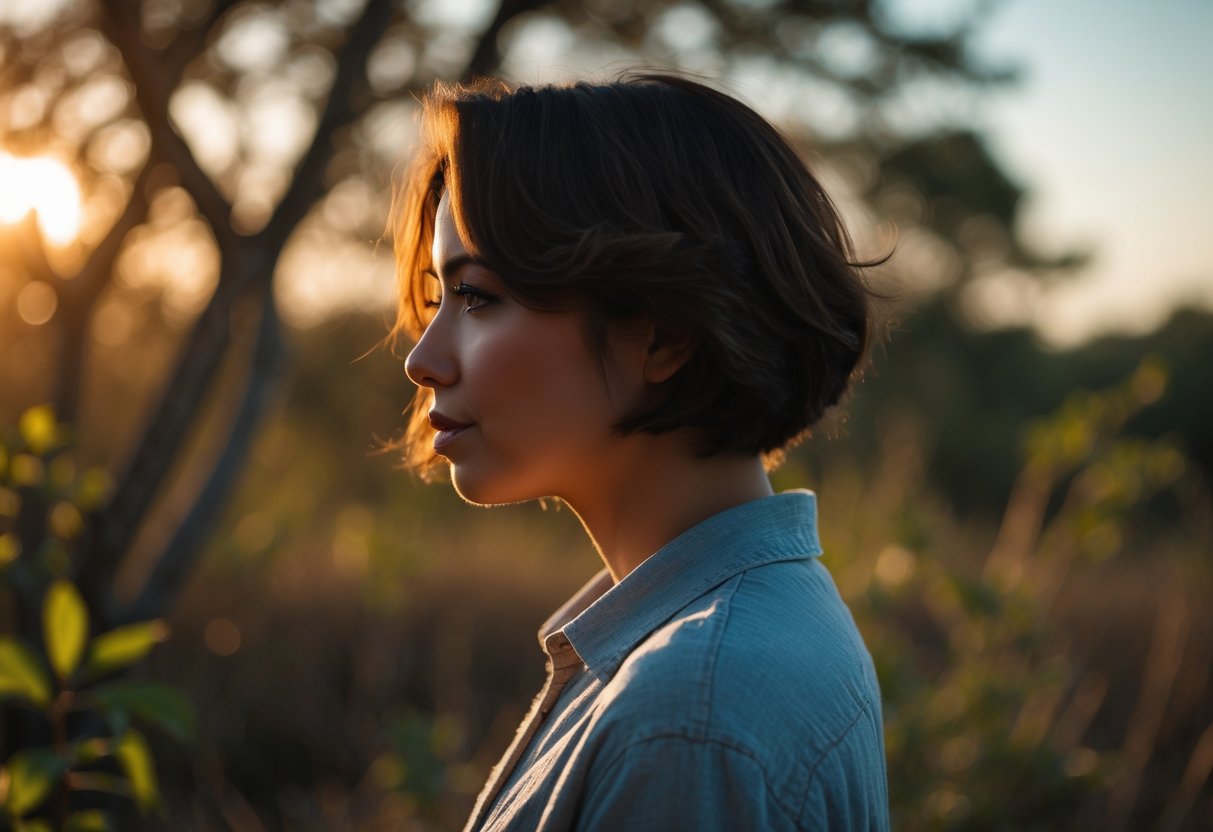
When you’re out shooting portraits, the direction of light does way more than just handle technical stuff—it shapes the whole mood. Lighting choices can turn a basic photo into something with real depth and emotion.
Conveying Mood with Expressive Lighting
Light direction lets you set the atmosphere, sometimes in dramatic ways. If you use front lighting, you get a soft, even look that feels honest and open—great for approachable, friendly portraits.
But angle the light from the side or behind, and suddenly things get interesting. Side lighting brings out texture and adds contrast, making your subject stand out and giving the shot some drama. Backlighting can wrap your subject in a gentle glow, or even create a silhouette if you want something more mysterious or nostalgic.
These aren’t just happy accidents. Photographers use the dance of light and shadow to stir up specific feelings—nostalgia, suspense, warmth—and lead the viewer through the story in a portrait. For more on this, check out how the interplay of light and shadow helps evoke emotion.
Enhancing Personality and Connection
How you direct light can reveal real personality. When you angle it just right, you can highlight natural features—wrinkles, freckles, contours—and show off what makes your subject unique, rather than hiding it. That honesty builds a connection and makes the portrait feel more authentic.
Low, soft morning or evening light works especially well for this, letting you highlight the bond between your subject and their surroundings. Portraits shot this way don’t just look good—they feel genuine and emotionally resonant. Here’s more on how lighting can capture emotion.
Planning Your Outdoor Portrait Session
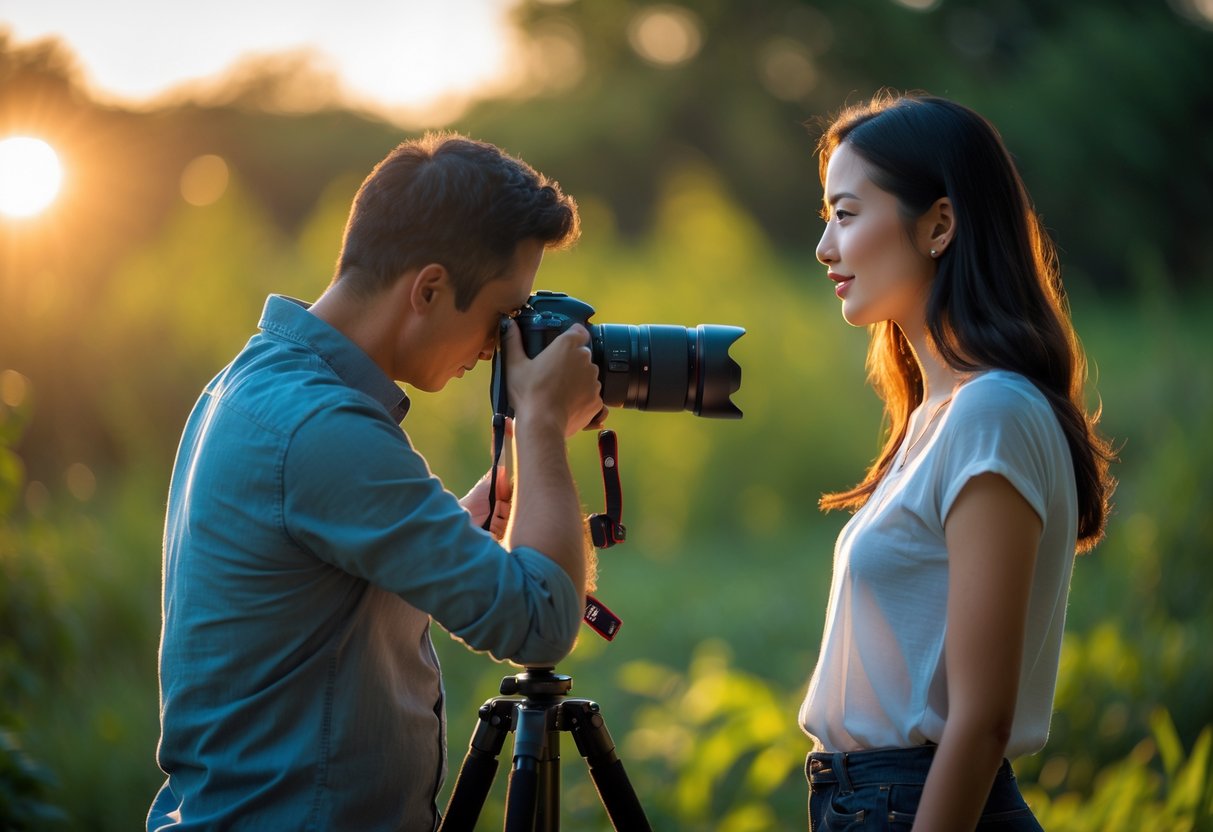
You get your best outdoor portraits when you actually pay attention to where the light’s coming from and when it’s at its best. Picking the right spot and timing lets you control shadows, highlights, and the overall mood.
Scouting Locations for Optimal Light Direction
When you’re out hunting for portrait spots, don’t just pick a pretty view. Take a look at how sunlight falls on the scene at different times and angles.
If you set up where the light hits your subject from the side or at an angle, you’ll get natural depth and shape—think soft cheekbones, no squinting. Open shade from a tree, building, or umbrella is perfect for softer, more even skin.
Walk around at different times and check for places where direct sun won’t make harsh shadows under the eyes or nose. Some locations are best in the morning, others in the afternoon. Try to avoid spots where the sun’s straight overhead—it just makes everyone look tired and washed out. For more advice, see this [guide to outdoor portraits](https:// neyssalee.com/understanding-light-for-better-photos-outdoor-photography/).
Timing Your Shoot for the Best Light
Time of day really matters. The best natural light usually shows up right after sunrise or late in the day—the famous "golden hours." The sun sits low, the light gets warm and soft, and faces look their best.
Try not to shoot when the sun’s high overhead, unless you’re okay with harsh shadows and squinting. If you have to shoot midday, look for shade or use a reflector to even things out. And remember, golden hour shifts with the seasons, so check the timing before you head out.
If you plan around the best light, you’ll get natural colors and nice contrast, and your subjects won’t be blinded by the sun. There’s more on timing and technique in this portrait lighting FAQ.
Frequently Asked Questions
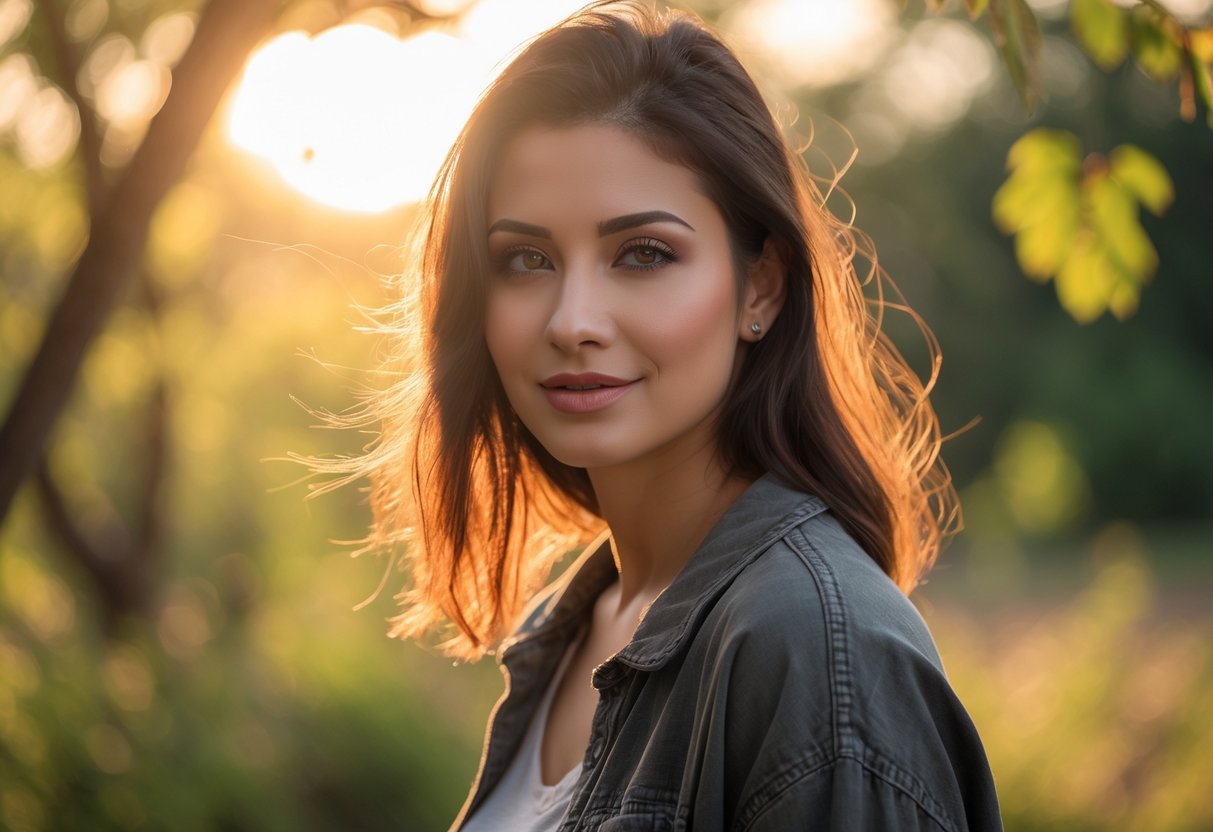
Getting the most from outdoor portraits means knowing how light shapes faces, adds depth, and sets the mood. A few smart tools, good timing, and some simple tricks can help you capture great shots without making things complicated.
What's the secret to mastering light for stunning outdoor portraits?
Honestly? Consistency. Once you figure out which lighting style fits your vibe, stick with it and let it shape your look. Sure, experiment—but being intentional with your light makes your portraits feel more cohesive and professional. There’s more on this approach to lighting for outdoor portraits.
What are the go-to lighting setups for breathtaking outdoor photography?
We usually hunt for open shade to get soft, flattering light that avoids harsh shadows. Putting the sun behind your subject and using a reflector can bring out natural color. Early and late in the day, you can use sunlight itself as a giant softbox.
How does side lighting make your outdoor portraits pop?
Side lighting adds depth and texture by highlighting contours and casting gentle shadows. It gives portraits a three-dimensional feel that flat, head-on light just can’t deliver. With side lighting, you draw attention to interesting features and make the whole shot feel more alive. Check out how shadows from side lighting add dimension.
Looking for the golden hour? When's the prime time to capture outdoor photos?
Golden hour—that magical window just after sunrise or right before sunset—makes all the difference. The light gets warmer and softer, which is way kinder to skin tones and really brings out the colors. I usually just check the sunrise and sunset times for my area, but honestly, these are the moments to grab your camera and get outside.
What gear is a must for outdoor photography lighting that won't weigh you down?
Lightweight reflectors are a lifesaver. I reach for collapsible ones—silver or white—since they're easy to stuff in a bag and work wonders for shaping light. Sometimes I'll toss in a small speedlight with a wireless trigger, but honestly, most of the time, keeping it simple works best. A trusty reflector, maybe a compact tripod, and I'm good to go.
Can you explain why the angle of light is a game-changer in photography?
The angle and direction of light shape the mood, bring out textures, and totally change how people look in portraits. Front lighting tends to flatten features, but side or backlighting? That’s where you get drama and a sense of depth. By tweaking the direction of the light, we get to sculpt our images, draw attention to the subject, and decide what pops. Honestly, the importance of light in photography is impossible to ignore—it’s at the core of how every photo turns out.